The Importance of Regular Oral Cancer Screenings for Early Detection
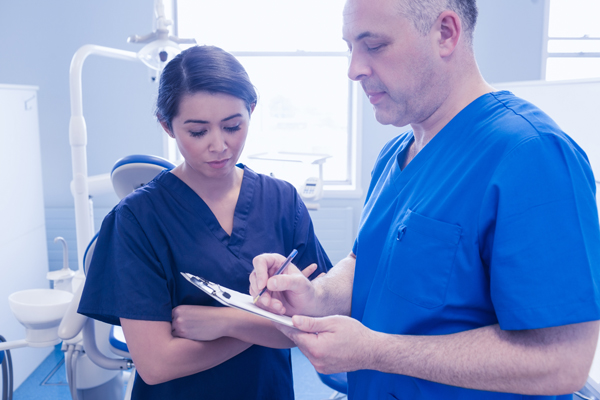
Oral cancer screening is an essential preventive measure in maintaining overall oral health. The early detection of oral cancer can significantly improve the chances of successful treatment and recovery. As a general dentist, it is vital to inform patients about the importance of regular oral cancer screenings and how these screenings can help identify potential issues before they progress into more severe health concerns.
What is oral cancer?
Oral cancer refers to cancer that develops in the mouth, lips, tongue, gums, or the back of the throat. It can occur in various forms, including squamous cell carcinoma, the most common type. This cancer can spread quickly if not detected and treated in its early stages. Oral cancer can often go unnoticed until it reaches more advanced stages, which is why regular oral cancer screenings are so important.
The risk factors for oral cancer include smoking, excessive alcohol consumption, poor diet, sun exposure (leading to lip cancer), and human papillomavirus (HPV) infection. However, oral cancer can also affect individuals with no obvious risk factors, making regular screenings even more essential.
Advantages of oral cancer screenings
Regular oral cancer screenings play a critical role in identifying abnormalities early, leading to better patient outcomes. Here are several key reasons why oral cancer screenings should be a routine part of dental checkups:
Early detection saves lives
The earlier oral cancer is detected, the better the chances for successful treatment. When discovered in its early stages, oral cancer can be treated more effectively, often with less invasive procedures, and the prognosis is much more positive. Early-stage oral cancer may be confined to a small area and can often be removed or treated before it spreads to other parts of the body.
Screenings can identify pre-cancerous conditions
Oral cancer screenings help detect and identify pre-cancerous conditions, such as leukoplakia (white patches in the mouth) or erythroplakia (red patches). These conditions can be warning signs that oral cancer may develop in the future. Identifying these signs early allows for timely intervention to prevent cancer from developing.
Non-invasive and quick
An oral cancer screening is a non-invasive procedure that takes only a few minutes. It typically involves a thorough examination of the mouth, gums, tongue, and throat, with the dentist checking for any unusual growths, lesions, or changes in the tissue. If necessary, the dentist may use specialized tools to visualize certain areas better or take biopsies for further analysis. Regular screenings are easy to incorporate into routine dental visits and are a simple but crucial step in maintaining good oral health.
Increased awareness for high-risk patients
Certain individuals may be at a higher risk for oral cancer due to lifestyle factors such as smoking, alcohol use, or HPV infection. For these individuals, regular oral cancer screenings become even more critical. Early detection is especially important for high-risk groups as it can help catch cancer in its early stages when it is more treatable.
Peace of mind
Regular oral cancer screenings provide peace of mind for patients. Knowing that a thorough examination has been conducted and that no signs of cancer are present can reduce anxiety and allow patients to focus on their oral health and well-being. For those concerned about their risk, routine screenings provide reassurance and can help avoid unnecessary worry.
What to expect during an oral cancer screening
Oral cancer screenings are typically conducted as part of a routine dental exam. The dentist will visually inspect the entire mouth, including the tongue, gums, lips, roof, and floor, for any abnormalities. The dentist will also check for lumps or swellings in the neck and jaw area. If anything suspicious is found, further testing, such as a biopsy, may be recommended to confirm whether it is cancerous or pre-cancerous.
The frequency of oral cancer screenings depends on the individual’s risk factors and age. For individuals with no significant risk factors, it is generally recommended to have an oral cancer screening at least once a year as part of a regular dental exam. However, individuals who smoke, drink excessively, or have a family history of oral cancer may need to have screenings more frequently.
Get a screening today
Oral cancer screening is vital to maintaining overall oral health and should be an integral part of routine dental checkups. Early detection of oral cancer significantly improves the chances of successful treatment and recovery, and regular screenings can help identify both cancerous and pre-cancerous conditions before they develop into more serious health problems. For more information or to schedule a consultation, call or visit Marquette Dentistry.
To schedule a consultation, request an appointment on our website at https://marquettedentistry.com or call Marquette Dentistry at (713) 777-9865 for an appointment in our Houston office.
Check out what others are saying about our dental services on Yelp: Oral Cancer Screening in Houston, TX.
Related Posts
A laser dentist offers a modern approach to treating gum disease, using advanced technology that reduces discomfort, speeds up healing, and improves patient outcomes. Early detection and gentle treatment make a significant difference in the first stages of periodontal care. Laser dentistry allows for precise, minimally invasive care that preserves healthy tissue and enhances long-term…
Your family dentist can help you regain your dental health. Dental damage or tooth loss can make eating and speaking difficult. Finding the right dental restoration is possible. Here are the details about the restoration options that you can get from your family dentist.Bacteria eat away the enamel layer of teeth, which results in cavities.…
Healthy gums support a strong, beautiful smile. Should gum irritation, inflammation, and disease occur, professional gum care or periodontics can help stop them in their tracks. A general dentist typically provides first-line periodontal care but can also refer patients out to a specialist as needed. This proactive approach strives to help your smile stay healthy…
Preventive dental care from your family dentist is a priority. After all, preventing infections and damage is easier than going through many dental treatments. Having this type of dentist will allow you to have the upper hand when it comes to your oral health. Here are the different preventive dental care options that you can…